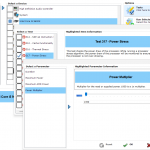
More Arm testing with Pc-Check® Windows® V3.5.4.0004 using Windows emulation on all kinds of devices and systems. Stress testing is always a safe bet to ensure hardware and software sing together – count on enhancements to 3D graphics and memory usage reporting in sensors. CPUIDs continue to be added and added again for the widest… [Read More]
Pc-Check UEFI V2.00 Release
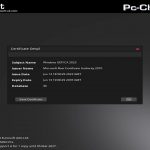
Twist my Arm – so new testing for the Arm® platform arose – test cover for motherboard, CPU, RAM, TPM, NVMe and more, all ready to use from the latest Pc-Check UEFI release with an easy upgrade. Talk about Trust, the latest Enhanced System Information feature captures installed Secure Boot Certificate information so you can… [Read More]
Pc-Check Windows V3.5.3.0013 New Release
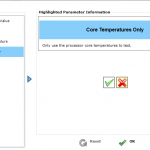
All about CPUIDs…well almost. Adding to the list of CPUs with our independent testing is always at the forefront. Taking another step to increase CPU testing effectiveness, we’ve focused the Processor Temperature test with an all-new “Core only” parameter test to critically assess hardware, curtailing damage. To expand your keyboard testing capability, we’ve added more… [Read More]
Pc-Check UEFI Version 1.18 New Release
There’s been a push for additional temperature testing of NVMe drives with so many PCs having NVMe drives installed. By customer request, to reduce the file size of System Information report, we’ve added a switch to turn off the collection of PCI devices. And there are a few beneficial enhancements such as increasing the CPU… [Read More]
‘Ready’ to see beyond Windows 10… countdown to Windows 11?
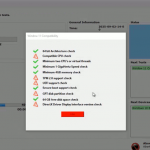
Windows updates happen whether we like it or not, but we can help you be more than ready. Perhaps you’re not quite ready for October 14th 2025 – the Windows 10 End of Life (EOL). Not a crystal ball, but a sure way to say good-bye to Windows 10 – and be hardware ready for… [Read More]
Pc-Check® Windows® Version 3.5.3.0006 Release
As the hardware requirements for Microsoft Windows 11 continues, we will adjust the Windows 11 Readiness feature in Pc-Check Windows – a great place to start and finish when comparing and validating new builds, upgrades and re-manufactured systems and devices. As always, there are CPU enhancements with NVIDIA, AMD and Intel. Specific to Intel, the… [Read More]
Pc-Check UEFI Version 1.17 Release
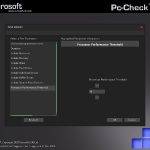
Focused development on enriching CPU testing: taking advantage of a key algorithm, to validate complex random numbers, increasing reliability results; more testing coverage of reserved cores and low-power e-cores; added a new test feature ‘Processor Performance Thresholds Test’ which applies a default FAIL parameter of 30% to catch issues sooner, but you can always configure… [Read More]
ZeroData Windows Certification

Data erasure with ZeroData Windows saves time, is economical and delivers certification… When faced with customer insistence for other data erasure programs, the balance of request versus cost is undoubtably worth considering. Customers need choices and they like options. Computer assets, systems and devices of all kinds typically achieve higher value with the added attention… [Read More]
Pc-Check® Windows® V3.5.3.0001
A short New Year polishing with a focus on CPU enhancements – Thermal Junction Maximum added. Scanning of larger hard drives – total size versus sector to speed things along. And, a tweak to the audio test – where audio endpoints may not prevail. NOTICE: testing under Windows 7 is removed from this release, making room… [Read More]
Pc-Check® UEFI v1.16 NEW RELEASE…
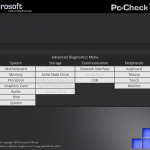
OOO and AHHH – Bet you weren’t expecting that – especially when a PC reboots, and you thought you’d lost your test results – nope, Pc-Check UEFI caught them. May seem a small item, though the USB controller test is a great addition to our line-up of Embedded Diagnostics for remote testing. Seeing GREY is… [Read More]
- 1
- 2
- 3
- …
- 9
- Next Page »